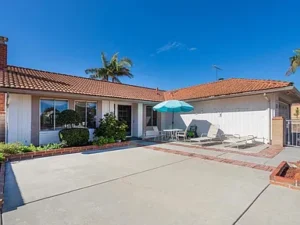
Every buyer eventually faces this moment.
You see a property online. It looks good. The price seems reasonable. But then you notice something interesting. The listing has been active for a while.
Thirty days. Maybe forty. Maybe longer.
That raises an obvious question: does time on market mean opportunity?
Sometimes it does. Sometimes it does not. Understanding the difference is what separates a strategic offer from a guess.
First, Understand What “Days on Market” Actually Means
Days on market, often called DOM, simply measures how long a home has been listed before receiving an accepted offer. It is one of the most useful signals buyers can analyze because it reveals how the market is reacting to a property.
But it only becomes meaningful when you compare it to the broader market.
Recent housing data shows that homes in the United States currently take around 48 to 66 days to sell on average, depending on the source and month.
That is noticeably longer than during the pandemic housing boom when homes often sold in a matter of days.
This change reflects a broader shift in the housing market. Inventory has increased, price growth has cooled, and buyers are becoming more selective.
So when you see a home that has been listed for 30 days, it may not be unusual anymore. Context matters.
The First 30 Days: The Market Is Still Testing the Price
The first month is usually when the listing receives the most attention.
Buyers who have been watching the market closely tend to visit new listings quickly. If the price is realistic and demand is strong, offers often appear during this window.
Research shows that homes listed for four weeks or less typically sell closest to their asking price, often achieving nearly full list value.
For buyers, this means one thing. A low offer during the first few weeks rarely succeeds unless the property is clearly overpriced.
In other words, the seller still believes the market will validate their price.
The 30 to 60 Day Window: Expectations Start to Change
After roughly a month, the dynamics start to shift.
If a home remains unsold, several things may be happening:
- Buyers believe the price is too high
- The property has strong competition nearby
- Condition or location concerns have surfaced during showings
At this stage, some sellers begin adjusting expectations. Price reductions start appearing, and the negotiation window opens.
Industry data shows that homes sitting longer on the market often sell below the original asking price, especially after the 45 to 60 day mark.
This is where thoughtful buyers begin evaluating whether a lower offer might be realistic.
After 60 Days: The Leverage Often Shifts
When a property reaches two months on the market, leverage often moves toward the buyer.
That does not necessarily mean something is wrong with the home. Many listings linger simply because they were priced too aggressively at the start.
In fact, homes that remain unsold for two months or more frequently experience price adjustments. In some markets, listings that sit this long can eventually sell several percentage points below the initial asking price.
This is usually the point where a carefully structured low offer becomes more realistic.
But Time Alone Does Not Tell the Whole Story
Days on market is useful, but it is only one signal.
Before making a low offer, buyers should look at several other factors:
Comparable sales
Recent sales of similar homes reveal the true price range the market is willing to accept.
Price history
If the home has already undergone reductions, the seller may already be adjusting expectations.
Inventory levels
More available homes generally mean buyers have more negotiating power.
Seasonality
Real estate activity often slows in late fall and winter, which can make homes appear stale even when they are priced correctly.
These variables matter more than the raw DOM number.
The Psychology of Listings That Sit
There is another dynamic that experienced buyers understand.
Homes that remain on the market develop a reputation.
Buyers start wondering why no one else has purchased it. That hesitation can create a feedback loop where fewer offers appear even if the property is perfectly fine.
Recent reports even show searches like “can’t sell house” reaching record highs as more listings linger due to affordability challenges and hesitant buyers.
This shift means the traditional urgency of the housing market has softened in some segments.
For buyers, that can create opportunity.
What a Strategic Low Offer Actually Looks Like
A low offer does not mean an unrealistic offer.
It should still reflect the current market.
For example:
- If comparable homes are selling 3 percent below asking after 45 days, that provides a reasonable reference point.
- If multiple price reductions have already occurred, the seller may already be close to their true bottom.
Low offers that are supported by data are often taken seriously. Offers that ignore market evidence are usually dismissed immediately.
This is why working with someone who understands negotiation dynamics can make a significant difference. Many buyers seek guidance from professionals such as a top real estate agent in San Diego or an oceanside real estate consultant who can interpret pricing trends and recent transactions before recommending an offer strategy.
The Bigger Lesson for Buyers
Timing matters in real estate, but patience alone is not a strategy.
A listing that has been active for 45 days may represent an opportunity. Or it may simply reflect normal market timing.
The key is understanding the numbers behind the listing.
In some situations, buyers also consult specialists who analyze land values, zoning potential, and development activity for construction and real estate consultants in California often evaluate how time on market interacts with pricing, supply, and future development potential before making recommendations.
Different professionals look at the same listing from different angles.
The Bottom Line
A home sitting on the market for 30 days usually means the market is still evaluating the price.
Around 45 to 60 days, negotiation opportunities often begin to appear.
After 60 days or more, buyers may have stronger leverage, especially if comparable homes are selling faster.
But the smartest buyers do not rely on time alone.
They combine days on market with pricing data, comparable sales, and local inventory trends before deciding how aggressive an offer should be.
In real estate, time can create opportunity. But only when it is understood in context.